
Local experts provide guidance on planning for end-of-life care
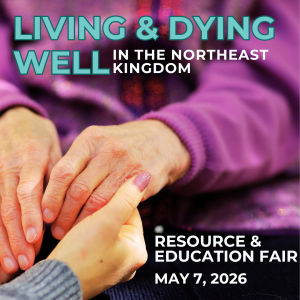
ST. JOHNSBURY, VT (April 28, 2026) – Northeastern Vermont Regional Hospital (NVRH) will host the 3rd Annual Living & Dying Well in the NEK Resource & Education Fair on its campus—a new location for this free public event. The fair will take place on Thursday, May 7, from 9 AM – 1PM in the NVRH conference rooms. Free parking is available on site or attendees can take the Rural Community Transportation shuttle bus to the NVRH stop.
The Living & Dying Well in the NEK Resource & Education Fair is designed to help people prepare for healthy aging and dying well. This event aims to break the stigma around death and dying by shining a light on the practical, emotional, and spiritual aspects of this important life stage. Though planning for end-of-life care can feel overwhelming, this fair helps people learn more about the resources available in the NEK to help them and their family members navigate through this significant life transition.
Dozens of local experts will be on hand to offer information and guidance about planning for the end of life. Area organizations specializing in aging and living well will also participate in this event, including the Northeast Kingdom Council on Aging, Caledonia Home Health Care & Hospice, and NVRH’s Palliative Care team.
A wide variety of topics will be featured at the fair, including advance directives, aging in place, legal considerations, and more. Targeted breakout sessions will focus on green burials and funeral planning. Raffles, giveaways, and light refreshments will also be available.
“This 3rd Annual Living & Dying Well in the NEK Resource Fair will have terrific breakout sessions and partners providing interesting and valuable information,” says Deb Locke-Rousseau, Community Health Worker Supervisor at NVRH’s Community Connections. “Come learn about green burial options, hear about planning a funeral from one of our local funeral homes, or talk with a palliative care provider about the supports they provide.”